Session 1: Introduction

Masaki EGUCHI, Ph.D.

Welcome to Linguistic Data Analysis I

Today’s agenda

Session 1 Agenda

  1. Welcome & Course Logistics
    • Course website & Google Classroom access
  2. Introduction to Corpus Linguistics
    • What is a corpus?
    • Types of linguistic corpora
    • Typical research use cases

Session 1 Agenda

  1. Course Roadmap
    • Objectives & learning outcomes
    • Course structure and expectations

Learning Objectives

By the end of this session, students will be able to:

  • Define what a corpus is and distinguish between types of corpora.
  • Describe key use cases of corpus linguistics in applied linguistics.
  • Understand the course objectives, structure, and expectations.

Your Instructor

Masaki Eguchi, Ph.D.

  • Developing AI (InteLLA) and Speaking test at Equmenopolis, Inc.
  • Guest Research Assistant Professor at Waseda University.

Picture

InteLLA

My research

Second-language writing/speaking assessment using computational techniques
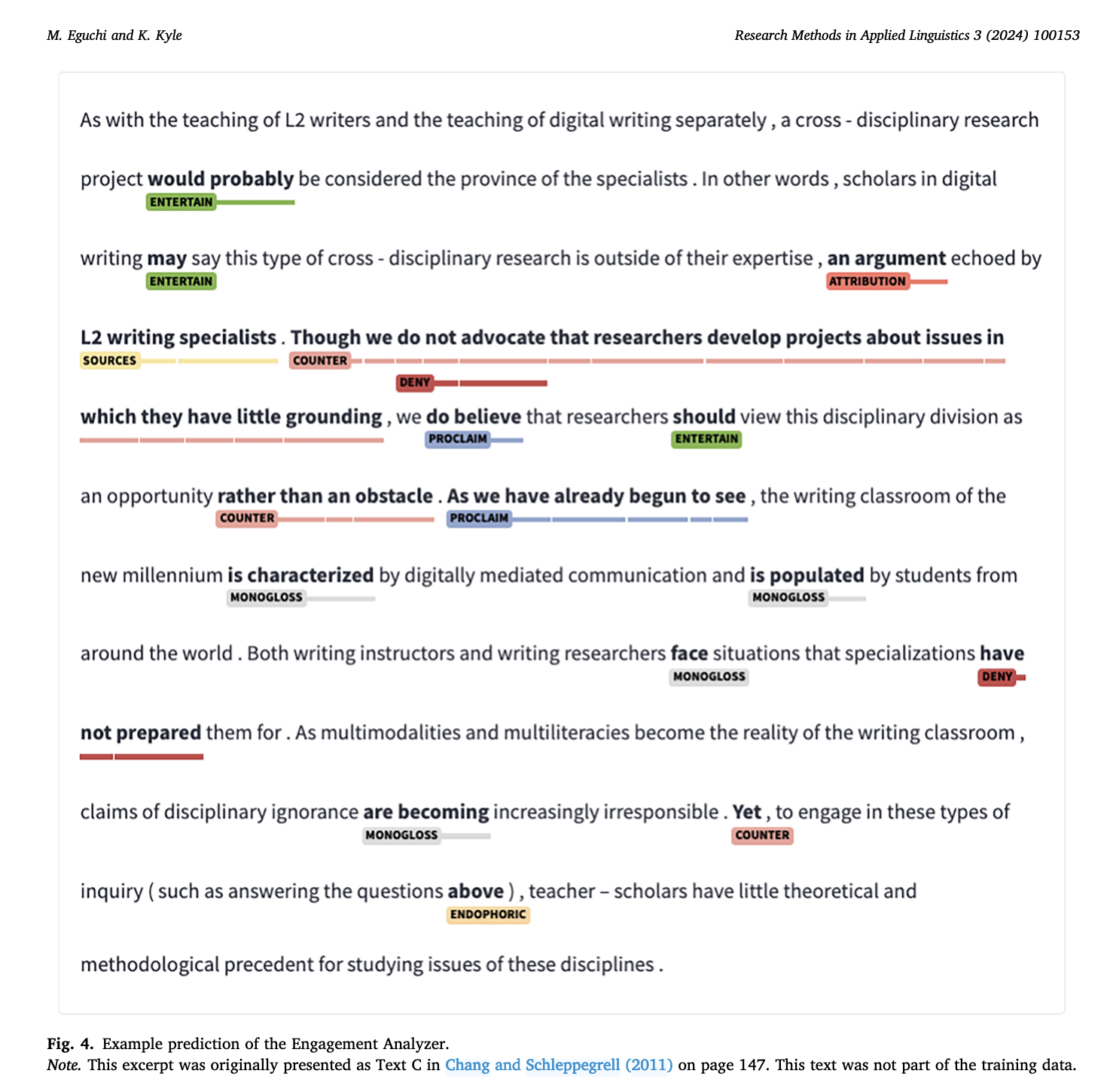
Engagement Analyzer

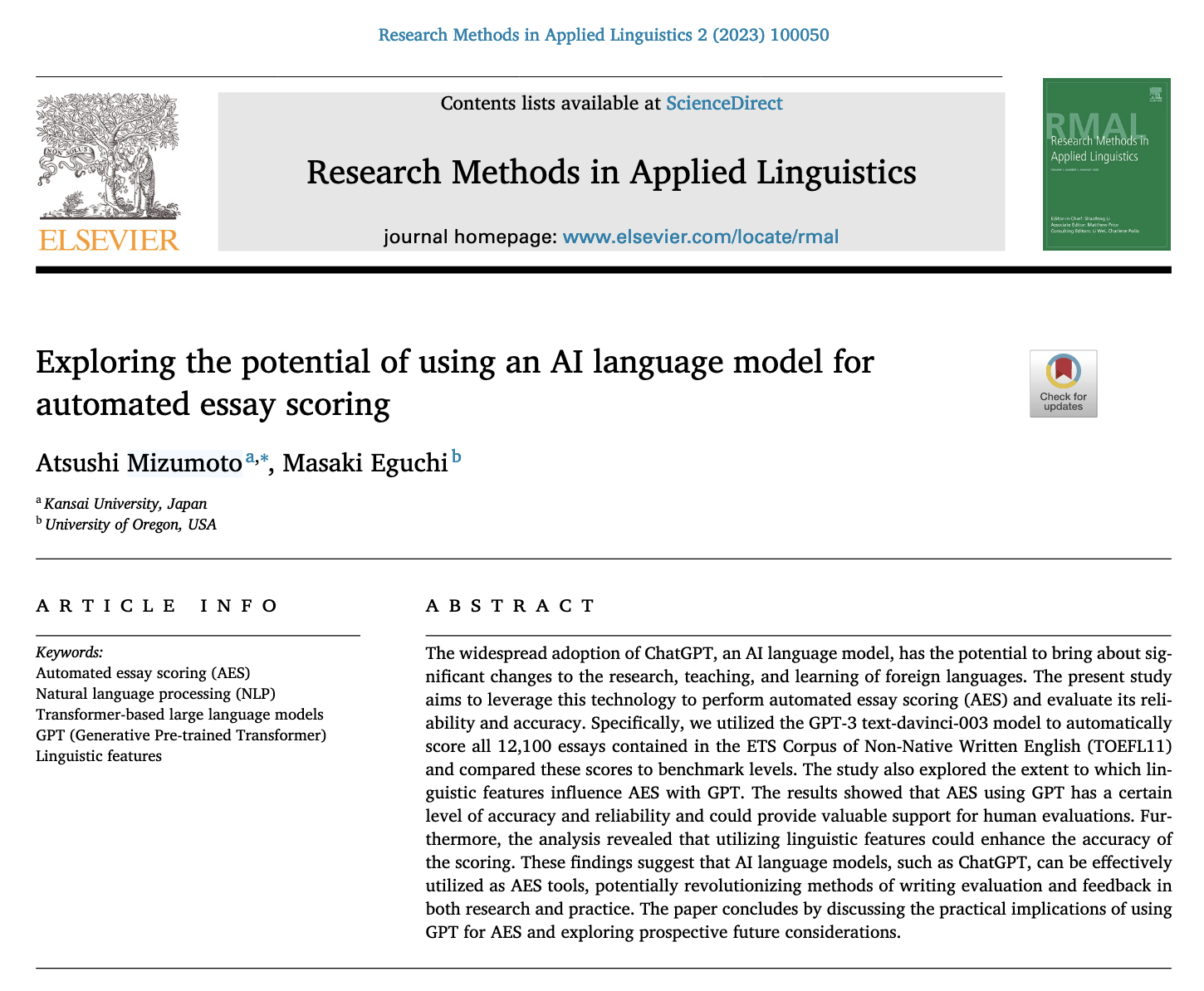
ChatGPT for Essay Scoring

Recent work - Validating AI speaking test
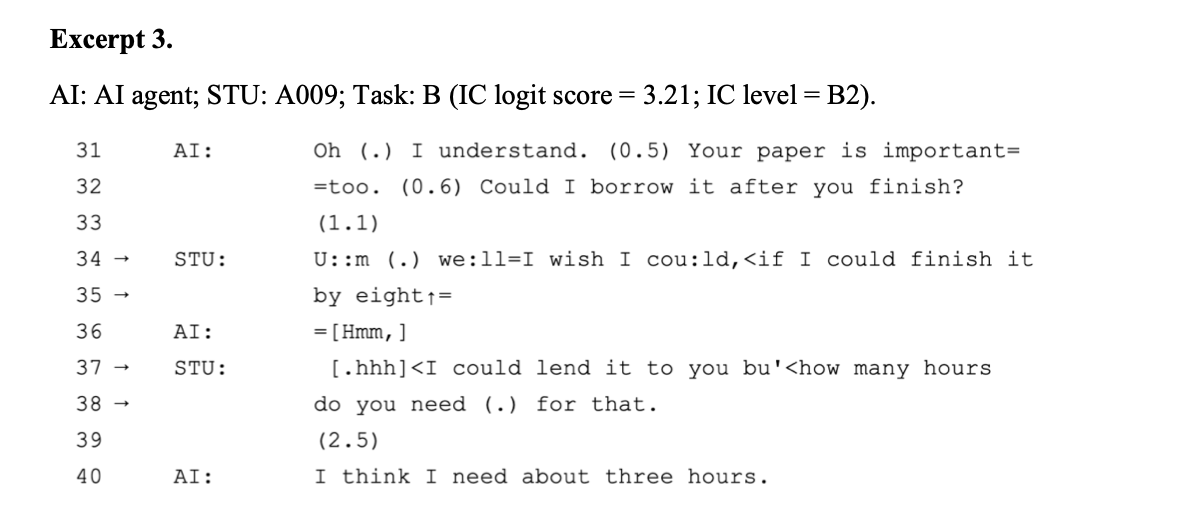
InteLLA CA

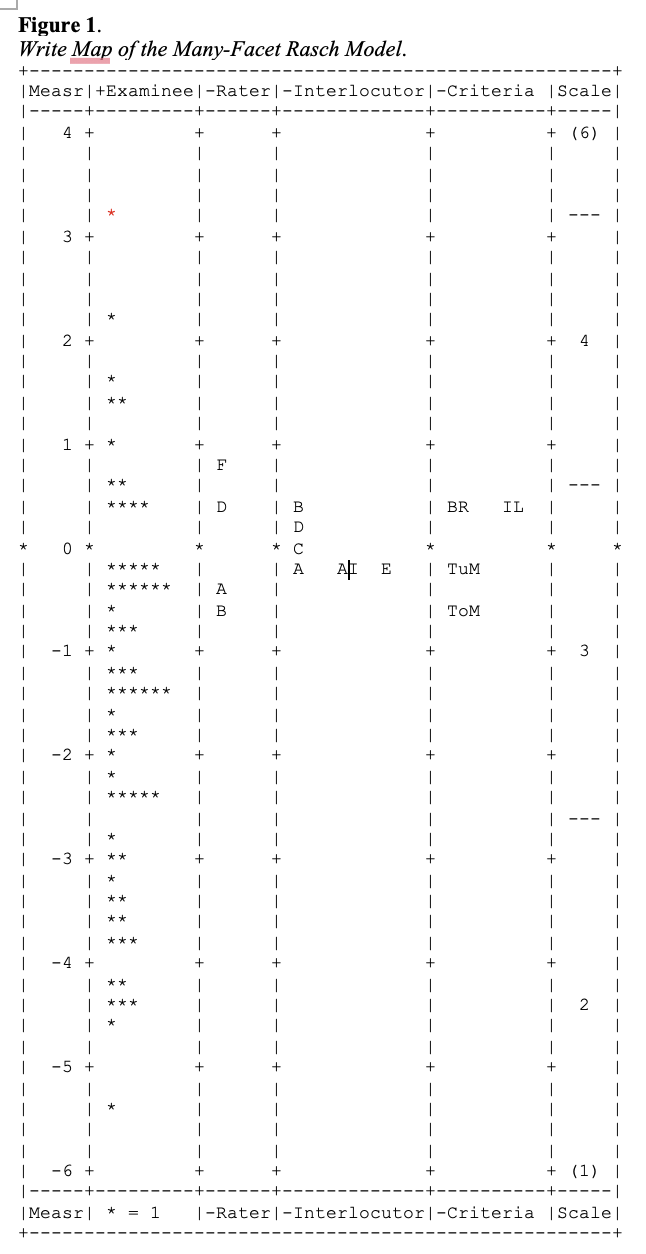
Rasch

Introduction 1st round

  • Briefly introduce yourself
  • Name
  • Year/Department
  • Things you like to do during free time, OR
  • Favorite things to do in Sendai.

Introduction 2nd round

  • Research interests/topic
  • Why you are taking this course

What is a corpus

What is the first thing that come to your mind about corpus?

A linguistic Corpus

A linguistic corpus is:

  • searchable digital collection of
  • real-world language use
  • often accompanied by meta-data describing the contextual parameters

(To be explored more in session 2)

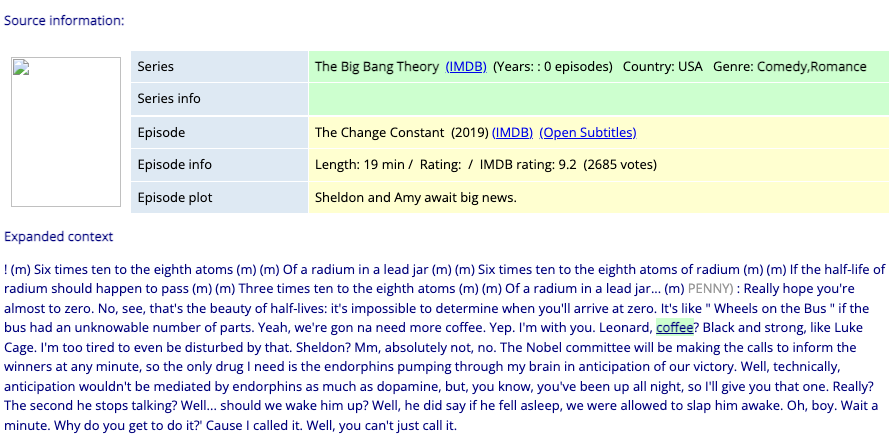
Corpus documents language use in real-world
COCA example

What do corpora contain?

  • language samples produced in the wild for specific communicative purposes
    • Written language:
      • Magazines
      • News Paper
      • Blog
    • Spoken language:
      • transcriptions of spoken exchanges
        • TV or radio shows
        • Conversations

How do we use corpus?

Corpus can give you answers on how people use language.

  • How often does X occur in Corpus A?
  • How often does X occure with Y?
  • In what context does X occur?

Word Naming time. What is the following object?
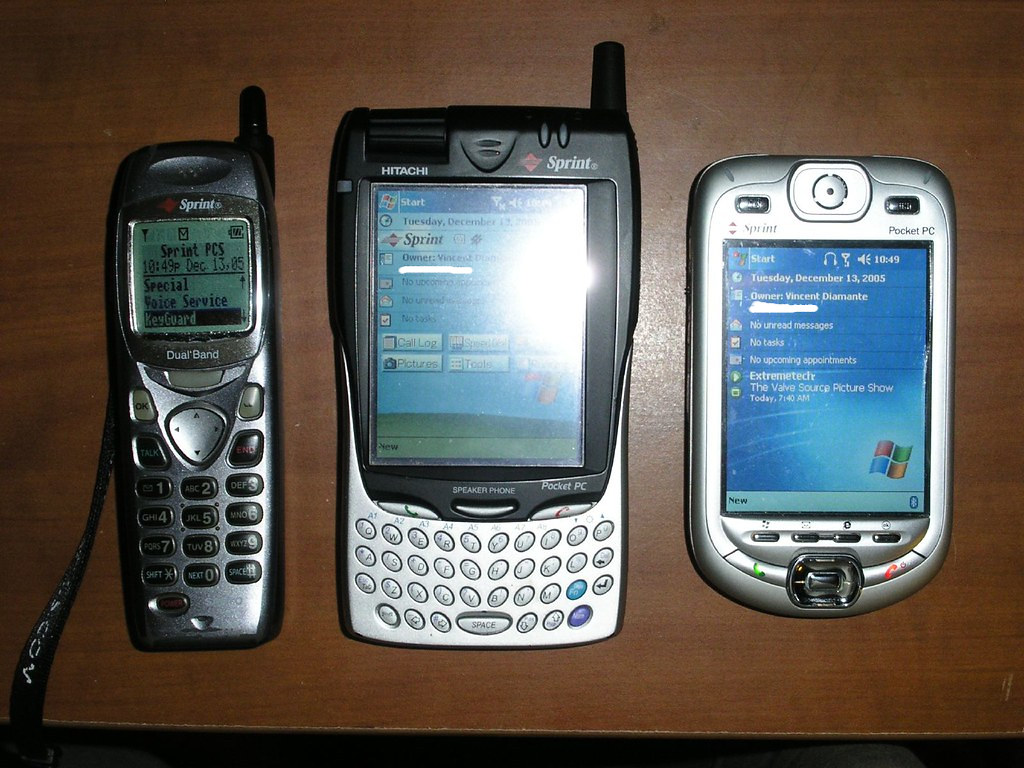
What’s the name of these?
  • cell phone
  • mobile phone
  • smart phone

Research questions about

Open-ended question

  • How does the frequency of cell phone changed over time?
  • Which region uses cell phone more frequently than mobile phone?

Close-end deductive question

  • Does British use cell phone more often than mobile phone?

Set up English-Corpora.org account

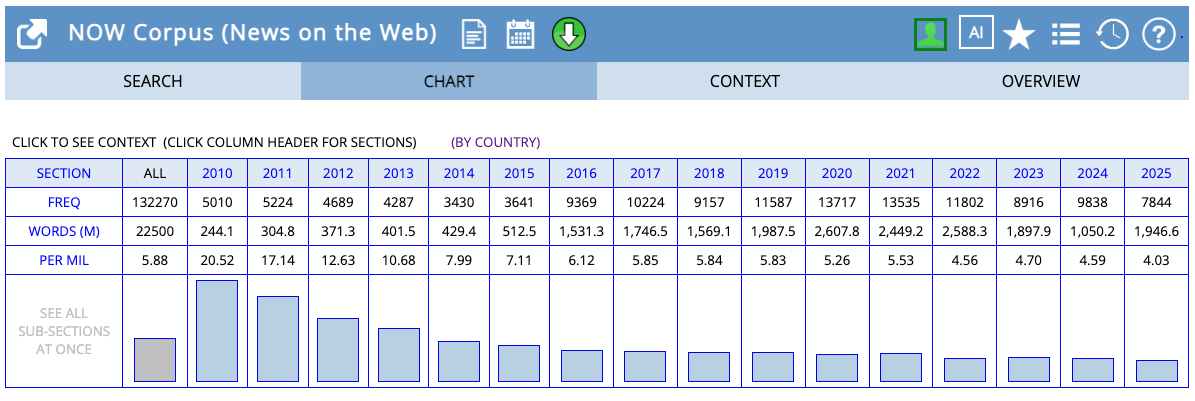
how many times does cell phone occur in News written in English?
cell-phone

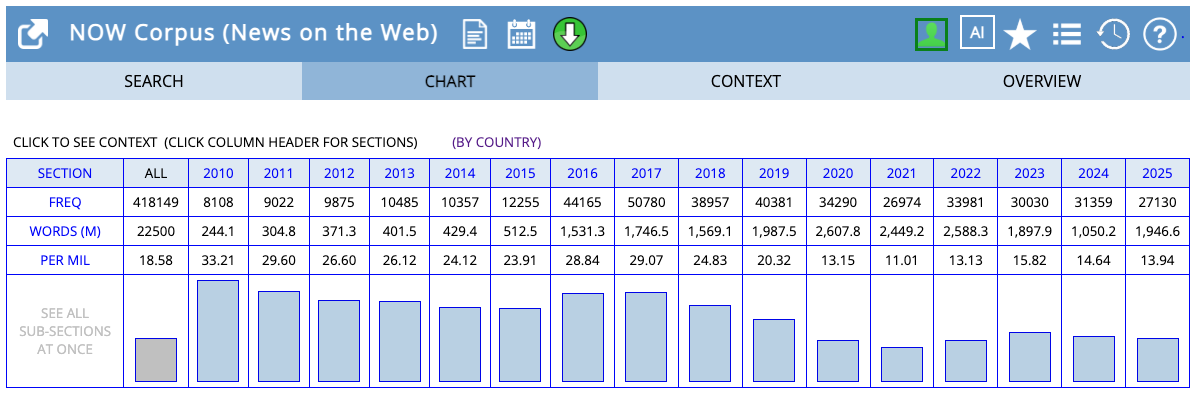
how many times does mobile phone occur in News written in English?
mobile-phone

Comparision

cell-phone mobile-phone

Which region uses cell phone more frequenty?
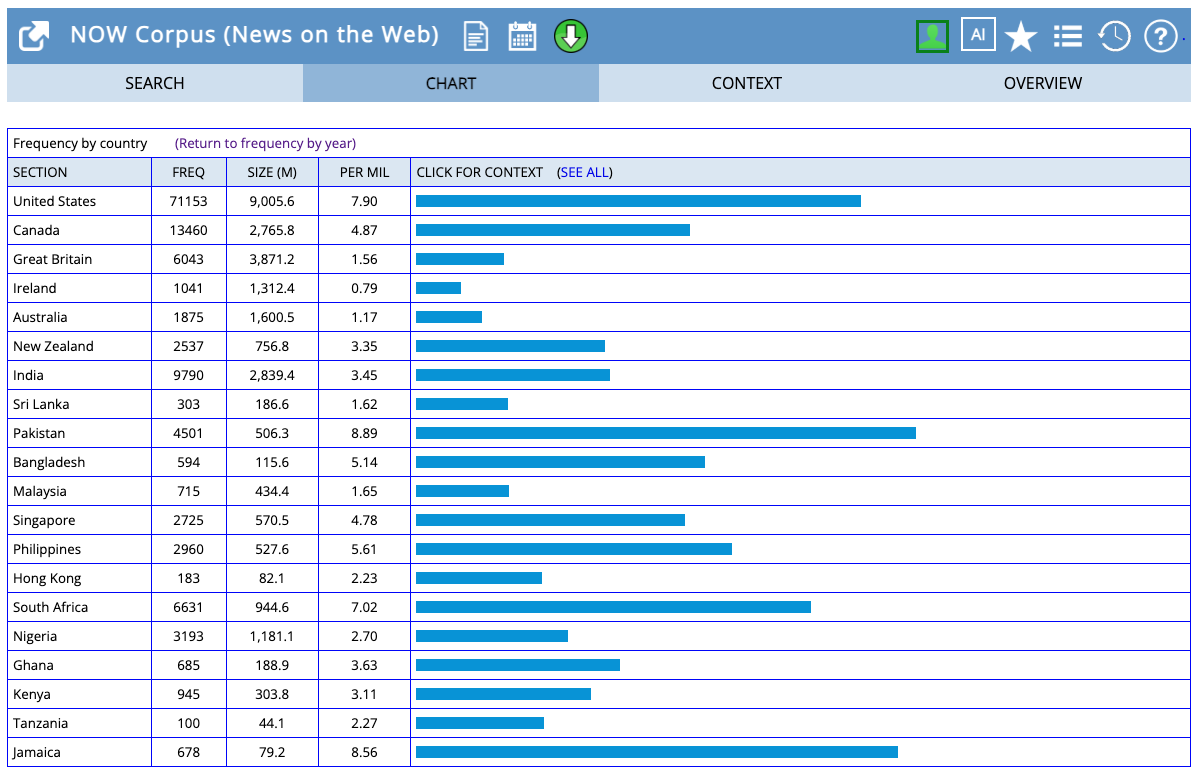
cell-phone

How about mobile phone?
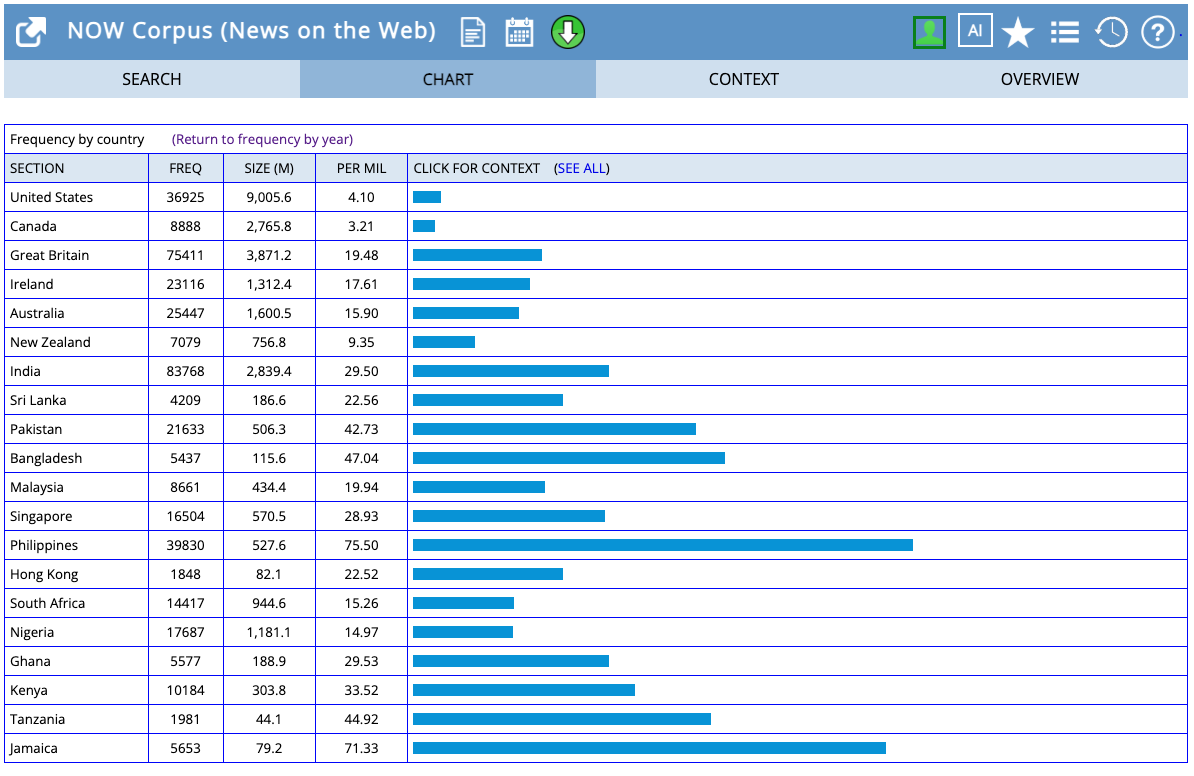
mobile-phone

Answer to the research questions

  • How does the frequency of cell phone changed over time?
    • The use of cell phone tends to decline.
  • Which region uses cell phone more frequently than others?
    • cell phone: US; Pakistan; Jamaica
    • mobile phone: Philippines;

→ You can get quantitative insights into how certain language is used

Research Questions for corpus-based research

With corpus we can ask questions:

  • How does X change over TIME?
  • How does X differ by REGION?
  • How does X vary by GENRE?

We can learn patterns of language use in relation to extra-linguistic factors.

The X in corpus linguistics

In corpus linguistics, we not only identify words but also:

  • Morphemes (e.g., -ness; pre-; -ed)
  • Syntactic constructions (e.g., by AGENT; relativa clauses)
  • Multiword sequences (e.g., collocation significant role)
  • Pronunciation (segmental; prosodic features)

→ In this course, we focus on lexico-grammatical features

Questions?

Course Syllabus and Logistics

Course Website

We will use the following two channels

  • Github Page
    • to communicate course schedules, plans, and slides.
  • Google classroom
    • Please do not hesitate to reach out
    • for assignment submission and Readings and Corpus data distribution.
Website QR code

Course description

This 5-day introduction:

  • covers key concepts in corpus linguistics and learner corpus research

  • teaches you how to conduct simple corpus searches using Concordance software

  • gives you an overview of methods to investigate conditional distributions (e.g., frequency, co-occurrences) of vocabulary, multiword units, and grammatical items.

  • introduces foundational methods to identify linguisitic phenomena using corpus and how to know about their distribution

  • discusses important applications of corpus methods in applied linguistic (second language) research

Learning Objectives

By the end of this course, students will be able to:

  • Explain what corpus linguistics is and how corpus linguistics can help learn linguistic phenomena
  • Search for and select available corpora relevant to their own research
  • Discuss design issues related to language corpora for specific research purposes
  • Apply introductory corpus linguistic analyses (e.g., frequency analysis, concordancing, collocation analysis, POS tagging, and dependency parsing) to preprocessed corpora
  • Evaluate the benefits and drawbacks of a corpus linguistic approach to linguistic analysis

Course Components

  • Lectures and tutorials
  • Daily Hands-on activities
  • Mini-corpus labs
  • Final project (will talk more)

Textbook

  • Durrant, P. (2023). Corpus linguistics for writing development: A guide for research. Routledge. https://doi.org/10.4324/9781003152682

  • Stefanowitsch, A. (2020). Corpus linguistics: A guide to the methodology. Zenodo. https://doi.org/10.5281/ZENODO.3735822 (This is an open source textbook, so it’s freely available online)

Other required/Optional readings are provided through Google Classroom.

Tools and Softwares

Session overview

Day Theme Sessions
Day 1 Introduction & Corpus Basics Session 1-3
Day 2 Analysis of Vocabulary & Multiword Units (1) Session 4-6
Day 3 Analysis of Vocabulary & Multiword Units (2) Session 7-9
Day 4 Analysis of Grammar Session 10-12
Day 5 Advanced Topics & Projects Session 13-15

Day 1 Today

  • Basic corpus search
  • Constructing Research Questions and hypotheses
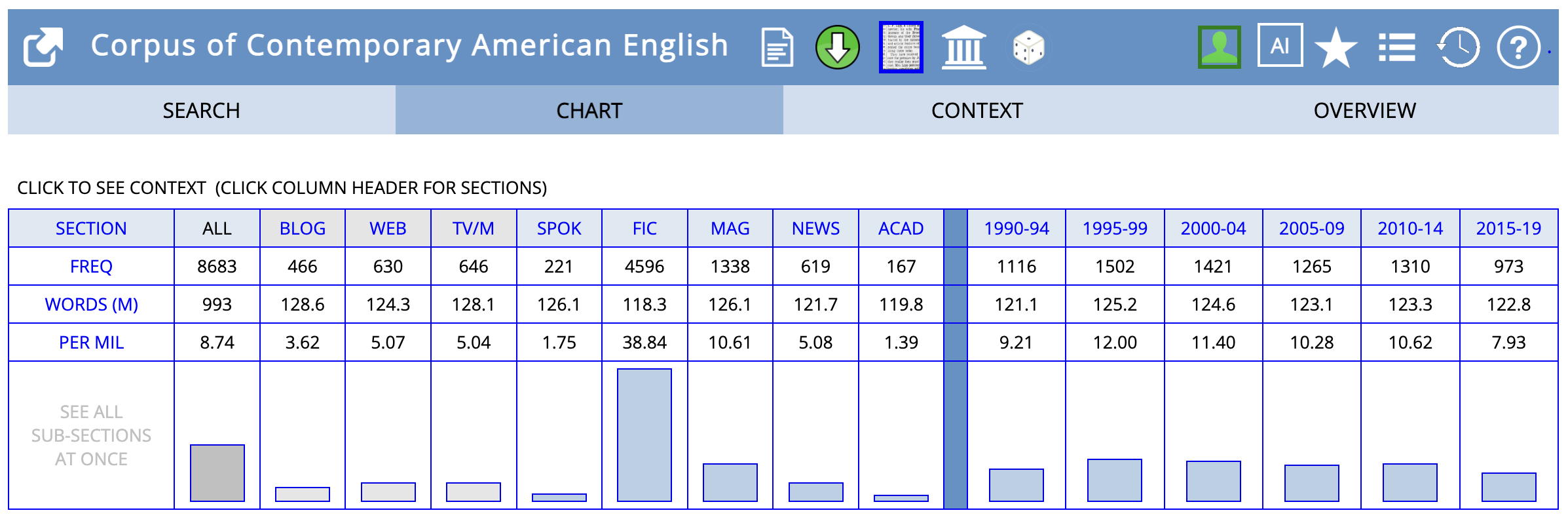
sofa - chart

Day 2 (Monday)

  • Creating word frequency list
  • Calculating lexical diversity measures
  • Calculating lexical sophistication measures
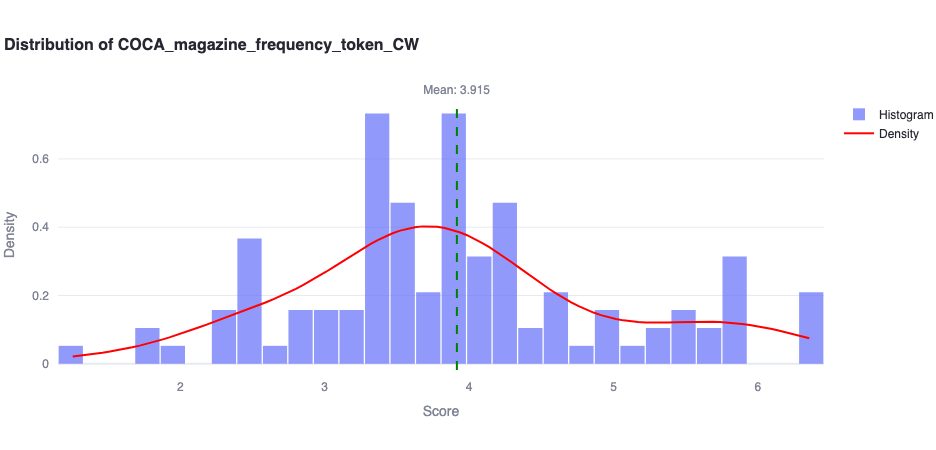
freq-distribution

Day 3 (Tuesday)

  • Identifying multiword units (ngrams and collocations)
  • Calculating Strengths of Association Measures
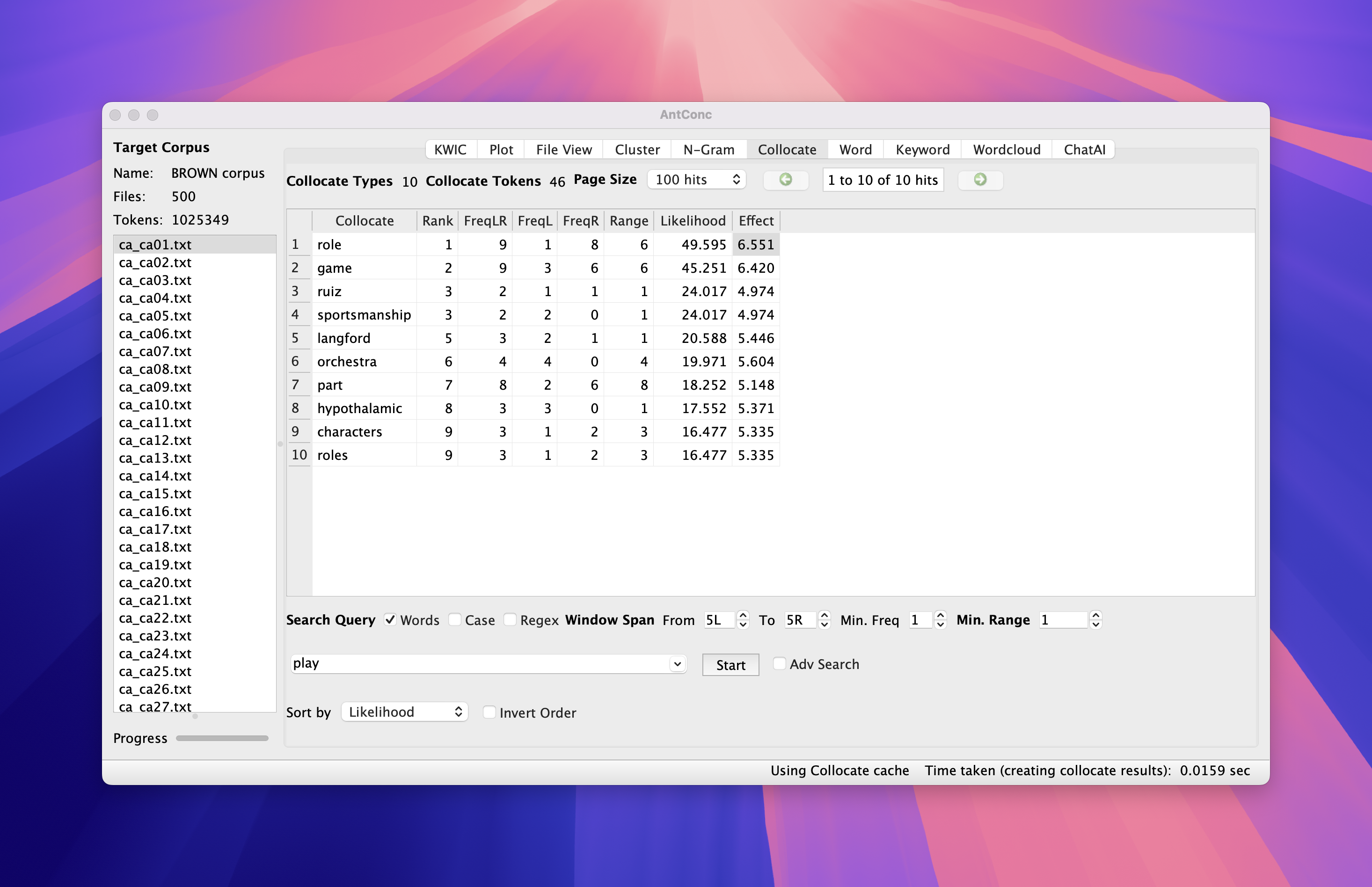
collocation

Day 4 (Wednesday)

  • Conducting POS tagging and dependency parsing
  • We will learn how to parse sentence using spaCy package in Python
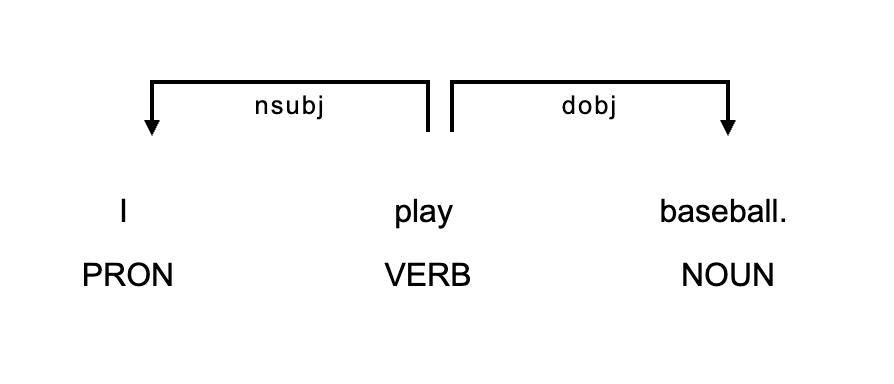
dependency

Day 5 (Thursday)

  • Special session on linguistic annotation using Large-Language Models
    • linguistic accuracy
    • discourse move (if time allowed)

Daily schedule

Time Activity
10:30-12:00 Session 1
12:00-13:00 Lunch break
13:00-14:30 Session 2
14:30-14:40 Break
14:40-16:10 Session 3
16:15-17:00 Office hour

Final presentation

Option A - Conducting a separate mini-project

  • Option A is more extensive in that you will be asked to conduct a new mini-project using the toolkit you have learned throughout the course.
  • Given the limited time, however, this plan requires a lot of commitment to the present course and may not be feasible, (but we can try if you’d like!).
  • We will discuss possible alternatives (like Option B below)

Option B - Revisiting one of the completed Corpus Lab assignments

  • As this 5-day intensive course teaches you a lot of new techniques and approaches to analyze lingusitic data, it is important for us to revisit the already completed assignments and consolidate our skills.
  • In Option B, you will be asked to make a presentation on one of your previously completed Corpus Lab assignments, clearly articulating the thinking process as well as potential extension of your approach.
  • More details will be provided on the first day of the course.

What We’ve Covered So Far

  • Corpora = searchable digital collection of real-world language use
  • We can ask questions about patterns
  • Corpus gives us evidence-based answers

Assignment 1 Preview

By the end of today, you’ll be able to:

  • Ask your own research question
  • Search corpus to find relevant results
  • Interpret what you find
  • Write up your discoveries

Start thinking: Are there any English expression or construction you want to learn more?

Time to set-up the tools!